In fairness to Ghana Football Association (GFA) President Kurt Okraku, the context of the questions posed to him during his appearance before Parliament’s Select Committee on Sports matters. Questions and answers must always be considered together to appreciate the intent and substance of any discussion.
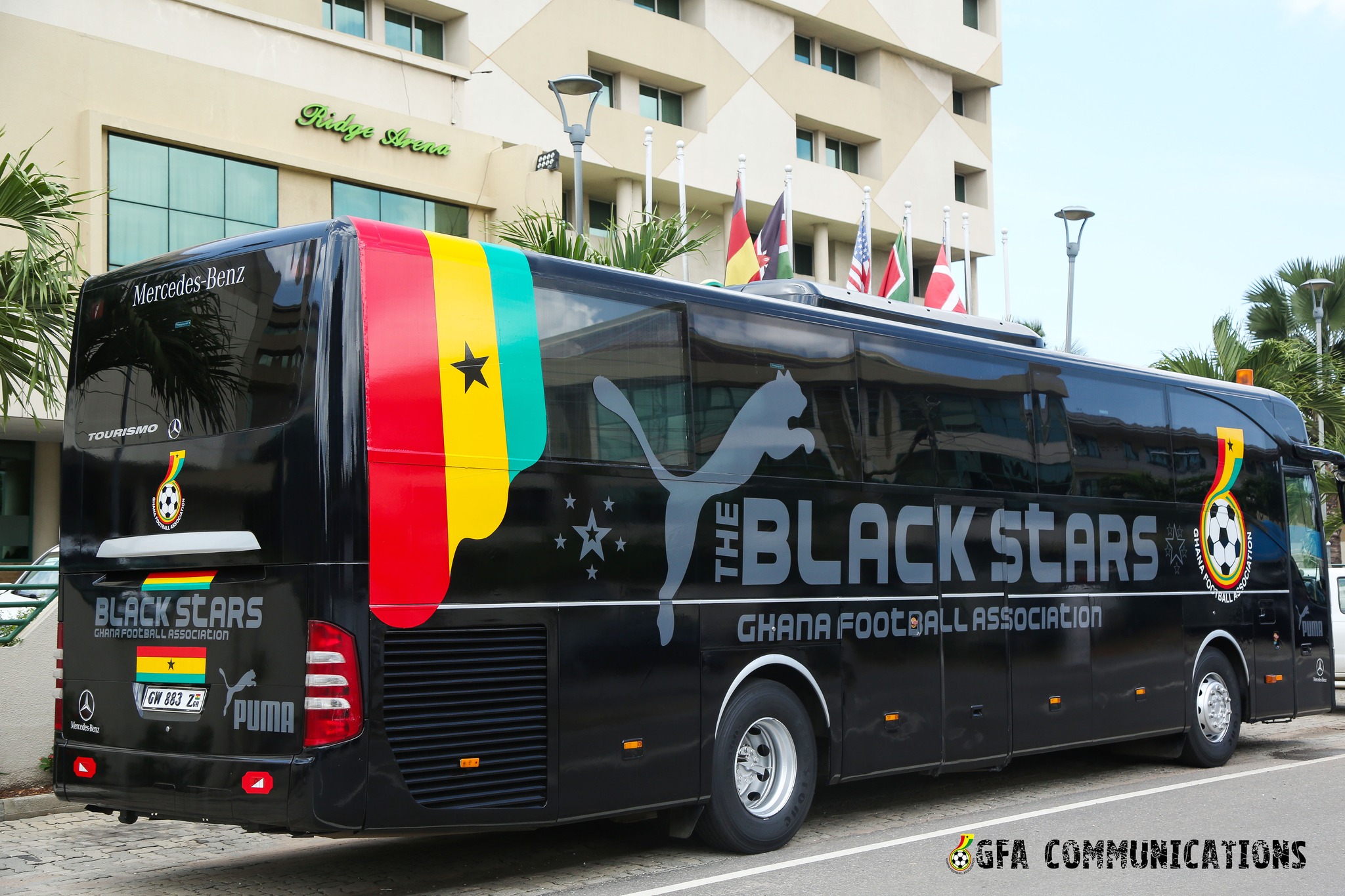
But, beyond the context, one revelation stood out and deserves serious attention: That Ghana's national teams share a single bus, and that bus is currently broken down. That disclosure is troubling. It speaks not only to the state of football administration but also to years of neglect by both the GFA and successive governments.
How can a country that prides itself on being a football nation find itself in a situation where its national teams have no dedicated reliable means of transportation? The revelation raises hard but necessary questions. How much would it cost to procure a suitable bus for a national team?
More importantly, how does the cost of national team bus compare with the substantial sums paid to various management committee members over the years, particularly during Ghana's participation in recent FIFA World Cups? If public funds can be approved for management committee payments, why has the acquisition of basic infrastructure for national teams been elusive?
The irony is difficult to ignore. Private club owners across the country are able to acquire buses for their teams, yet the state and football authorities have failed to do the same for the national teams that represent millions of Ghanaians. There is a mismatch between priorities and practical needs.
Kurt Okraku's disclosure may have been unintended or even deliberate. Whatever it is, it exposes a deeper problem. At a time when football development requires investment in facilities, logistics and player welfare, the inability to provide something as fundamental as a team bus is an indictment of leadership. Football people and the political class owe Ghanaians an explanation. More importantly, they owe our game better priorities.