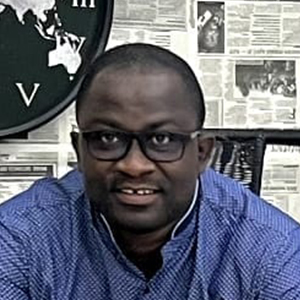

It is easy to understand the frustration behind Samson Deen's comments regarding the ongoing World Cup visa scandal. As President of the Ghana Paralympic Committee, he has every reason to be disappointed that any positive story of the national amputee team have received far less attention than the visa scandal which is dominating media discussions.
His concern about negative publicity overshadowing his work is understandable but the flaw in his argument lies in the suggestion that a scandal of such magnitude should be discussed behind closed doors rather than in the public domain. That proposition runs counter to the very essence of journalism, leadership and public accountability.
The role of the media is not to sit in private meetings with administrators and quietly negotiate matters of public interest. Journalism exists to inform citizens, expose wrongdoing, scrutinise those in authority, and hold public officials accountable.
Patriotism is often misunderstood in situations like this. True patriotism is not about shielding leaders from criticism or suppressing uncomfortable truths. Rather, it involves demanding higher standards from those entrusted with managing public institutions and national resources. Remaining silent in the face of mismanagement does not protect the country's reputation; it emboldens if not enables further misconduct.
Moreover, public disclosure is not reserved only for failures. When sports administrators perform well, the media rightly amplifies and celebrates those accomplishments. If good leadership deserves publicity, then poor leadership and administrative failures deserve scrutiny. There cannot be one standard for success and another for failure.
It is therefore important to draw a clear distinction between reporting a scandal and causing one. Journalists do not damage Ghana's image by reporting cases of alleged wrongdoing. The real damage is done by those whose actions create the scandal.
The embarrassment does not originate from media coverage; it comes from the conduct, decisions, and impunity of the officials involved. Journalists are not the problem. The rot is. And until that distinction is understood, calls for accountability will continue. Those calls should not be mistaken for attacks on the nation.
 Loading More Articles